



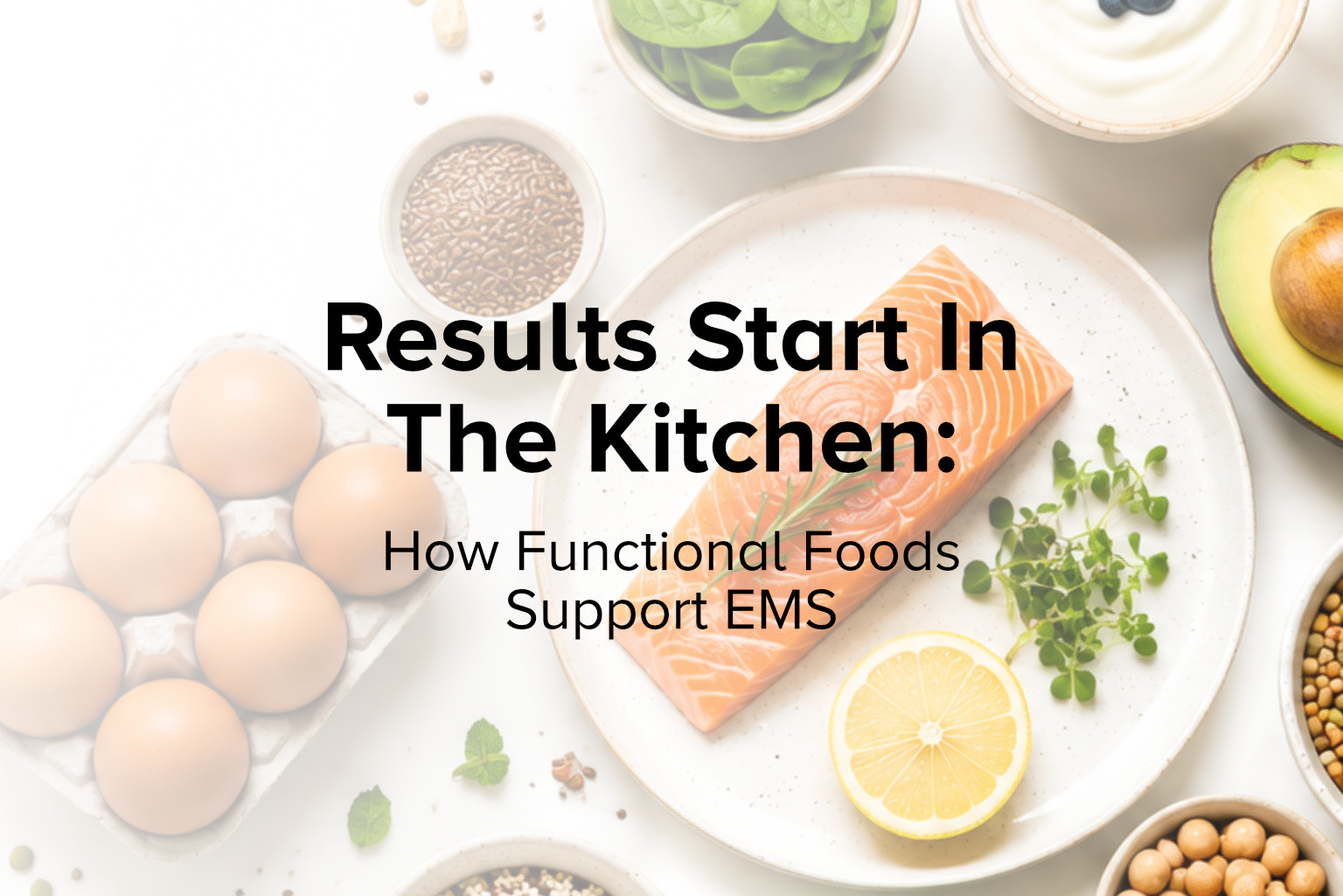
Results Start in the Kitchen: How Functional Foods Support EMS
What Are Functional Foods?
We often hear that certain foods are good for the muscles, help with recovery, or support energy. These foods do not just provide calories and basic nutrients; they may also contain components that support specific functions in the body. These are broadly referred to as functional foods.
Functional foods are foods that provide health benefits beyond their basic nutritional value. They contain nutrients or naturally occurring bioactive compounds that may support processes such as muscle function, recovery, cardiovascular health, gut health, and immune function.
The good news is that functional foods do not have to be expensive powders, supplements, or specially manufactured products. Many are foods we already have in our kitchens, including eggs, curd, fish, nuts, seeds, fruits, vegetables, pulses, whole grains, and millets.
When Electrical Muscle Stimulation (EMS) is incorporated into a fitness or rehabilitation programme, nutrition becomes an important part of the bigger picture. EMS provides a stimulus to the muscles, while food provides the energy and nutrients required to support normal muscle function and recovery.
Functional Foods That Support Muscle Function
Protein-Rich Foods
Protein is one of the most important nutrients for maintaining muscle tissue. It provides amino acids, which are required for muscle protein synthesis, repair, and maintenance.
Practical sources of protein include eggs, fish, chicken, milk, curd, Greek yoghurt, soy, tofu, pulses, lentils, nuts, and seeds.
For someone using EMS as part of a fitness routine, spreading protein intake across meals may be more useful than depending on one large protein-rich meal at the end of the day.
Omega-3-Rich Foods
Omega-3 fatty acids are well known for their role in cardiovascular and brain health, but they are also relevant to muscle health and the body’s inflammatory response.
Fatty fish such as salmon, sardines, and mackerel are excellent sources of EPA and DHA. Plant sources such as flaxseeds, chia seeds, and walnuts provide alpha-linolenic acid (ALA). Including these foods regularly can contribute to an overall diet that supports recovery and general health.
Antioxidant-Rich Foods
Physical activity naturally increases metabolic activity and can increase oxidative stress. The body has its own antioxidant defence systems, while food provides additional antioxidant compounds.
Colourful fruits and vegetables are excellent choices. Guava, berries, pomegranate, citrus fruits, tomatoes, spinach, carrots, capsicum, and other brightly coloured produce provide a variety of vitamins, carotenoids, and polyphenols. Rather than focusing on one superfood, eating a variety of colourful plant foods is a simple way to increase antioxidant intake.
Foods Rich in Magnesium, Potassium, and Calcium
Muscles do not work in isolation. Muscle contraction and nerve signalling depend on several minerals, particularly calcium, magnesium, and potassium.
Calcium is involved in muscle contraction, magnesium contributes to normal muscle and nerve function, and potassium plays an important role in normal cellular and nerve function. Dairy products, leafy greens, bananas, legumes, nuts, and seeds can help provide these minerals.
Vitamin D-Rich Foods
Vitamin D is important for bone health and also contributes to normal muscle function. Foods such as egg yolks and fatty fish provide vitamin D, while fortified foods can also contribute to intake. Adequate sunlight exposure may also contribute to vitamin D status, depending on factors such as lifestyle, skin exposure, and geographic location.
Examples of Practical Functional Foods
Functional foods can easily fit into everyday meals without making the diet complicated. Some practical examples include:
- Eggs – high-quality protein and several micronutrients
- Curd and Greek yoghurt – protein, calcium, and beneficial nutrients
- Fatty fish – protein and omega-3 fatty acids
- Soy and tofu – plant-based protein
- Dal and legumes – protein, carbohydrates, fibre, and minerals
- Nuts and seeds – healthy fats, magnesium, and other micronutrients
- Guava and citrus fruits – vitamin C and antioxidants
- Pomegranate and berries – polyphenols and antioxidant compounds
- Leafy vegetables – folate, magnesium, potassium, and other micronutrients
- Millets and whole grains – carbohydrates, fibre, and micronutrients
The goal is not to eat every food on the list every day. Instead, the idea is to create variety and include nutrient-dense foods regularly.
Important Considerations and Limitations
It is important to keep expectations realistic. Functional foods can support normal physiological processes, but they are not medicines and cannot compensate for an inadequate diet, poor sleep, or inappropriate training.
Similarly, there is currently no single food that can be described as an EMS-enhancing food. EMS provides electrical stimulation to muscles, whereas nutrition provides the energy and building blocks required by the body.
Individual requirements also vary according to age, body composition, training intensity, health status, and fitness goals. People with specific medical conditions, dietary restrictions, or nutritional deficiencies should seek individualised advice from an appropriate healthcare or nutrition professional.
Why Nutrition Matters During EMS
Think of EMS as giving the muscles a signal to contract. For those muscles to function effectively, the body needs adequate energy, protein, fluids, electrolytes, and micronutrients.
Muscle contractions require ATP, the body’s immediate energy currency. The production and replenishment of ATP depend on multiple metabolic pathways, which are supported by adequate energy and nutrient availability.
Nutrition therefore does not replace EMS. Instead, it supports the physiological processes taking place alongside it. This is particularly relevant when EMS is combined with conventional exercise, strength training, or rehabilitation, because the total physical demand on the body may be greater.
Functional Foods for EMS Recovery
Protein and Muscle Repair
After a session, protein-rich foods can provide amino acids needed for muscle repair and maintenance. A simple combination such as Greek yoghurt with fruit and seeds, eggs with dosa, or fish with rice and vegetables can provide a balanced recovery meal. The focus should be on adequate total daily protein rather than relying solely on the idea of a narrow post-workout window.
Carbohydrates and Glycogen Replenishment
Carbohydrates provide an important source of energy during physical activity. When exercise involves repeated or prolonged muscular activity, muscle glycogen becomes an important fuel source. Rice, oats, potatoes, fruits, whole grains, and millets can provide carbohydrates. For someone doing EMS alongside regular exercise, including appropriate carbohydrate sources can help meet overall energy needs and support recovery.
Antioxidants and Oxidative Stress
Fruits and vegetables provide antioxidants and other bioactive compounds that contribute to the body’s defence against oxidative stress. A colourful post-EMS meal containing vegetables and fruit can therefore be a simple way to increase dietary antioxidant variety.
Hydration and Electrolytes
Water is essential for normal physiological function, including circulation, temperature regulation, and cellular processes. Hydration should therefore not be overlooked around EMS sessions, especially when EMS is combined with exercise or performed in a hot environment. Foods such as curd, fruits, vegetables, coconut water, and soups can contribute to overall fluid and electrolyte intake. However, the need for additional electrolytes depends on individual sweat losses and exercise conditions.
Pre-EMS and Post-EMS Nutrition
There is no need for an elaborate EMS diet. The best approach is to choose familiar foods that provide the nutrients required for the session and recovery.
Pre-EMS Functional Foods
If there is a long gap between meals, a light snack containing carbohydrates and some protein may be useful. Practical options include:
- Banana with Greek yoghurt
- Apple with a small handful of almonds
- Whole-grain toast with egg
- Oats with curd or milk
- Fruit with a few walnuts
- Dosa with egg
- Soy milk with fruit
These combinations provide easily accessible energy along with protein or healthy fats.
Post-EMS Functional Foods
After EMS, a balanced meal containing protein, carbohydrates, and vegetables can support overall recovery. Practical options include:
- Eggs with dosa and vegetable sambar
- Fish with brown rice and vegetables
- Chicken with rice and vegetables
- Dal with rice, curd, and vegetables
- Tofu or soy with millet and vegetables
- Greek yoghurt with fruit and mixed seeds
- Egg and vegetable sandwich with whole-grain bread
The right choice depends on the individual’s calorie requirements, training goals, dietary preferences, and timing of the next meal.
Conclusion
EMS may provide an innovative way to stimulate muscles, but the story does not end when the session is over. What happens in the kitchen matters too.
Functional foods can provide the protein, carbohydrates, healthy fats, vitamins, minerals, antioxidants, and fluids needed to support normal muscle function and recovery. Foods such as eggs, fish, curd, pulses, soy, nuts, seeds, fruits, vegetables, and whole grains can all have a place in an EMS-supportive eating pattern.
Rather than searching for one magical food or supplement, the better approach is to build a balanced, varied, and nutrient-rich diet around individual needs. EMS may provide the stimulus, but nutrition provides the support. When technology and good nutrition work together, the focus shifts from simply completing a session to supporting the body before, during, and after it.
Written by:
Sumila Shaji
Dietitian